
Crystal Clear: Demystifying Salt Types and Their Health Consequences
Article by Dr. Donald Greig

A few weeks ago in one of my recent newsletters I explored the adverse effects on cardiovascular health from excessive salt intake. Today we examine salt as one of the most familiar ingredients in our kitchens, where there’s a lot of confusion about the many types on supermarket shelves: table salt, sea salt, rock salt, Himalayan pink salt and more. This newsletter explains the main varieties, how they differ (taste, texture, mineral content and processing), and whether any of those differences matter for your health.
Why this matters
Salt provides sodium — an essential mineral needed for nerve and muscle function and fluid balance. But too much sodium raises blood pressure, increasing the risk of heart disease, stroke and kidney disease. Because most dietary salt comes from processed and restaurant foods, not the shaker, choosing one type of salt over another usually has little effect on long-term health if your overall sodium intake stays high.
Common types of salt
Table salt
Description: Fine, highly refined crystals. Often iodised (iodine added) and may contain anti-caking agents.
Taste/texture: Very fine and consistent; dissolves quickly.
Uses: Everyday cooking, baking, table seasoning.
Health notes: Iodised table salt is an important public-health tool in areas with low dietary iodine. Sodium content per gram is standard.

Sea salt
Description: Produced by evaporating seawater. Crystal size and mineral content vary with source and processing.
Taste/texture: Can be flaky or coarse; often described as having a “clean” or slightly briny flavour.
Uses: Finishing salt (sprinkled on dishes), cooking (coarser types may take longer to dissolve).
Health notes: Contains trace minerals (e.g., magnesium, potassium) in tiny amounts. These do not significantly change its sodium content or health effects compared with table salt.

Rock salt (halite)
Description: Mined from underground salt deposits. Crystalline, often coarse.
Taste/texture: Similar to table/sea salt in flavour; grain size varies.
Uses: Brining, some cooking processes; decorative or specialty uses.
Health notes: Mineral impurities may be present but do not meaningfully alter sodium content.

Kosher salt
Description: Flaky, larger crystals designed to draw blood from meat (traditional koshering process). Often non-iodised.
Taste/texture: Coarse, easy to pinch; dissolves quickly when layered.
Uses: Seasoning during cooking, finishing food; widely used by chefs.
Health notes: Volume measures differ (one teaspoon kosher salt ≠ one teaspoon table salt) — this affects sodium delivered by a given measured amount.

Himalayan pink salt
Description: Mined from ancient salt deposits (e.g., Pakistan). Pink colour from trace iron oxide and other minerals.
Taste/texture: Similar salty taste; used as finishing salt or in blocks/plates.
Health notes: Contains trace minerals but in negligible amounts relative to total sodium. Health benefits beyond taste or aesthetics are not supported by solid evidence.

Flake salts (e.g., Maldon)
Description: Light, flat, flaky crystals from evaporated seawater.
Taste/texture: Crisp crunch, used as a finishing salt.
Uses: Sprinkling on finished dishes for texture and burst of flavour.
Health notes: Again, same basic sodium content by weight; because flakes are airy, a pinch may contain less sodium than the same volume of fine salt — but this depends on how you measure.
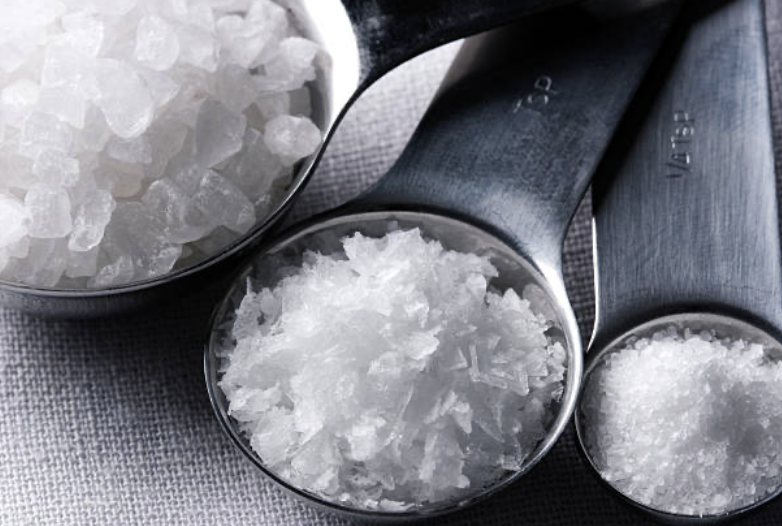
Smoked and herbal salts
Description: Salt crystals infused with smoke or mixed with dried herbs/spices.
Uses: Add flavour depth without adding more sodium-rich ingredients.
Health notes: Sodium remains the key factor; flavours may let you use less salt overall, which can help reduce sodium intake.

Do different salts have different health impacts? Short answer: Not meaningfully. All culinary salts are primarily sodium chloride and deliver similar amounts of sodium by weight. The tiny amounts of additional minerals in sea salt, rock salt or Himalayan salt do not offset the cardiovascular risks associated with excess sodium. Considerations that matter more than salt variety
Practical tips to reduce sodium while enjoying flavour
When to be extra careful
Key takeaways
If you’d like
Speak to your healthcare team or pharmacist if you need personalised advice about salt and blood pressure. Take care and stay healthy, |
Disclaimer: This newsletter is for informational purposes only and does not constitute medical advice. Always consult your healthcare provider for any medical concerns.


Comments