
Beyond Statins: Embracing Natural Solutions for Heart Wellness and Cholesterol Reduction
- Dec 22, 2025
- 15 min read
Article by Dr. Donald Greig

As the festive season approaches, many of us look forward to celebrations filled with delicious foods and joyful gatherings. However, it’s important to remember that this time of year can also lead to overindulgence, which may impact our health—particularly our cholesterol levels. Cholesterol plays a crucial role in our well-being, influencing everything from hormone production to cell membrane integrity.
During this season, when we often indulge in rich foods, it’s essential to understand the two main types of cholesterol: LDL (low-density lipoprotein), often referred to as "bad" cholesterol, can lead to plaque buildup in the arteries, increasing the risk of cardiovascular diseases. In contrast, HDL (high-density lipoprotein), known as "good" cholesterol, helps remove LDL cholesterol from the bloodstream and transports it to the liver for disposal. This newsletter aims to explore alternative dietary and lifestyle strategies to manage cholesterol levels effectively, minimizing or even avoiding the use of statins.
Understanding Statins
Statins are a class of medications designed to lower cholesterol levels in the blood. They work by inhibiting an enzyme in the liver called HMG-CoA reductase, which is crucial for cholesterol production. By blocking this enzyme, statins effectively reduce the amount of cholesterol produced, leading to lower blood cholesterol levels and a decreased risk of cardiovascular events.
While statins can be effective, they are not suitable for everyone and can come with side effects. Fortunately, there are natural alternatives that may help lower cholesterol levels without the need for medication.
Dietary Strategies to Lower Cholesterol
1. Plant Sterols and Stanols
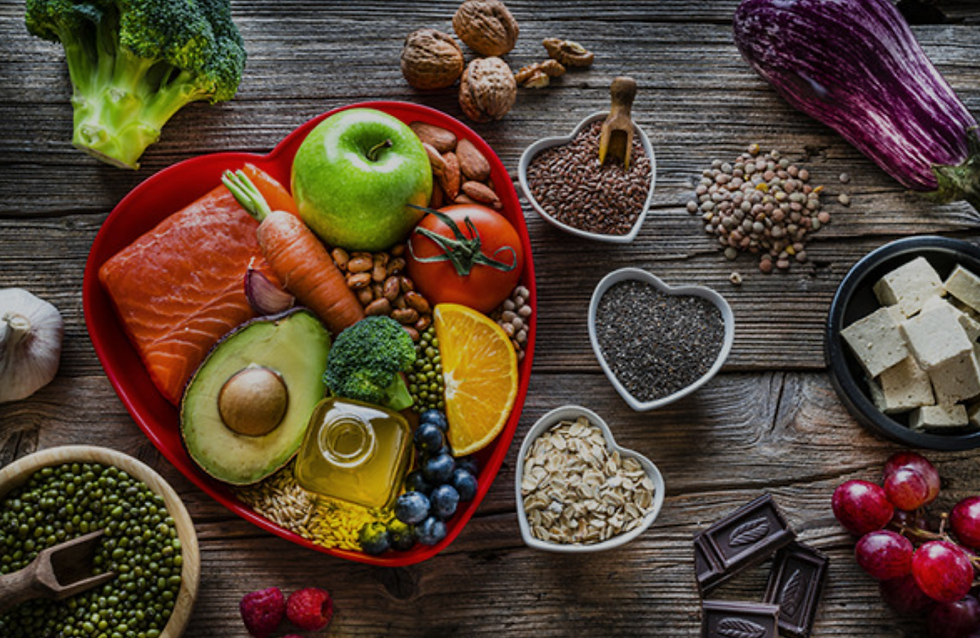
These naturally occurring substances are found in small amounts in many fruits, vegetables, nuts, and seeds. They help block the absorption of cholesterol in the intestines, leading to lower cholesterol levels in the bloodstream. Incorporating foods fortified with plant sterols and stanols can significantly impact heart health.
2. Oats
Oats contain a soluble fiber called beta-glucan, which can help reduce cholesterol absorption. Consuming just 3 grams of soluble fiber daily—equivalent to about a bowl of oatmeal—can lower LDL (bad cholesterol) levels.
3. Garlic
Garlic has long been touted for its health benefits, including cholesterol-lowering properties. Studies suggest that garlic can help reduce LDL cholesterol and total cholesterol levels while increasing HDL (good cholesterol).
4. Omega-3 Fatty Acids
Found in fatty fish (like salmon and mackerel), flaxseeds, and walnuts, omega-3 fatty acids have been shown to lower triglycerides and improve overall heart health. They may also help raise HDL cholesterol levels.
5. Red Yeast Rice Extract (RYRE)
This fermented rice product contains naturally occurring statins and has been shown to lower cholesterol levels. It works similarly to prescription statins but may be more suitable for those looking for natural alternatives.
6. Niacin
Niacin is a B vitamin that can help lower LDL cholesterol and triglycerides while raising HDL cholesterol. It can be found in foods like meat, fish, and whole grains, or taken as a supplement.
7. Policosanol
Derived from sugar cane or beeswax, policosanol has been shown to lower LDL cholesterol and improve overall cholesterol ratios. It is available in supplement form and may be a beneficial addition to your regimen.
8. Nattokinase and Oryzanol Combination
Nattokinase, an enzyme derived from fermented soybeans, may help improve blood flow and reduce cholesterol levels. When combined with oryzanol (also derived from rice bran), it can enhance cholesterol-lowering effects and support heart health.
Lifestyle Changes for Lowering Cholesterol
In addition to dietary approaches, several lifestyle changes can help manage cholesterol levels effectively:
Regular Exercise
Engaging in regular physical activity is not just beneficial for overall health; it can also play a significant role in managing cholesterol levels. Exercise has been shown to lower LDL cholesterol and raise HDL cholesterol through several mechanisms:
Increased Lipoprotein Lipase Activity: Exercise boosts the activity of an enzyme called lipoprotein lipase, which helps break down triglycerides and promotes the uptake of fatty acids by muscles. This process reduces the levels of triglycerides in the blood, which can positively influence LDL cholesterol levels.
Weight Management: Regular physical activity helps maintain a healthy weight or promotes weight loss. Excess body weight is associated with higher LDL cholesterol levels and lower HDL cholesterol levels. By managing weight through exercise, you can improve your cholesterol profile.
Enhanced Insulin Sensitivity: Exercise improves insulin sensitivity, which can help lower triglyceride levels and increase HDL cholesterol levels. Improved insulin sensitivity also reduces the risk of developing type 2 diabetes, which is closely linked to heart health.
Improved Circulation: Physical activity enhances blood circulation, which can help in the effective transport and metabolism of lipids, further contributing to healthier cholesterol levels.
Aim for at least 150 minutes of moderate aerobic activity per week, which can include walking, cycling, swimming, or any activity that raises your heart rate. Strength training exercises at least twice a week can also contribute to overall heart health.
The Importance of Sleep
Sleep is often overlooked in discussions about heart health, yet it plays a vital role in cholesterol regulation. Changes in sleep patterns and circadian rhythms can significantly affect cholesterol metabolism and steroid production in the body.
Circadian Rhythms and Cholesterol
Circadian rhythms are the natural cycles of physical, mental, and behavioral changes that follow a roughly 24-hour cycle, responding primarily to light and darkness. Disruptions to these rhythms—such as irregular sleep patterns—can interfere with the liver’s ability to process cholesterol effectively.
Poor sleep has been linked to increased levels of cortisol, a stress hormone that can promote higher cholesterol production. Elevated cortisol levels can lead to insulin resistance, which is associated with higher triglyceride levels and lower HDL (good cholesterol).
Steroid Hormone Production
Cholesterol is a precursor for steroid hormones, including cortisol, testosterone, and estrogen. When sleep patterns are disrupted, the body may overproduce or underproduce these hormones, leading to imbalances that can affect cholesterol levels. For example, excess cortisol from poor sleep can stimulate increased cholesterol synthesis in the liver, exacerbating high cholesterol levels.
By prioritizing good sleep hygiene—aiming for 7–9 hours of quality sleep each night—you can help stabilize your circadian rhythms, reduce cortisol production, and support healthier cholesterol levels.
The Importance of Lowering Cholesterol
Lowering cholesterol is essential for reducing the risk of cardiovascular diseases, which are among the leading causes of death globally. High cholesterol can lead to a buildup of plaque in the arteries, increasing the risk of heart attack and stroke. By adopting a combination of these dietary strategies, exercise, and healthy sleep habits, you can take proactive steps toward managing your cholesterol levels and enhancing your overall heart health.
Conclusion
While statins are a common solution for managing high cholesterol, numerous natural alternatives can be effective as well. By incorporating these dietary strategies, maintaining regular exercise, prioritizing good sleep, and understanding the interplay of circadian rhythms and hormone production, you can support your heart health and potentially reduce reliance on medications. Always consult with your healthcare provider before making significant changes to your health regimen.
As you embark on your journey to better heart health, consider the inspiring story of fitness expert Phil Hilton, shared by Chris McAndrew in The Times. Phil successfully lowered his cholesterol in just four weeks without the use of statins, demonstrating that lifestyle changes, including diet and exercise, can make a significant difference. His journey serves as a reminder that with the right approach, it’s possible to take control of your health and make impactful changes.
Thank you for being a part of our community, and here’s to your continued health!
Disclaimer: This newsletter is for informational purposes only and does not constitute medical advice. Always consult your healthcare provider for any medical concerns.
How I got my cholesterol down in four weeks without statins
Article By Chris McAndrew
 The message from my GP said, “Your blood test shows you would benefit from lowering your cholesterol.” It was a two-line message on my phone after a routine health check, but it threw me. Me? Me, who runs three times a week? Me, who lifts weights? Me, who has the same 31-inch waist he had 40 years ago? I felt like I’d failed an A-level even though I’d done all the revision. I didn’t really know what cholesterol was, but I knew it had something to do with unhealthy lifestyle choices and chips. In other words, I assumed it was for other people. Of course it’s not just for other people. Cholesterol is a natural fatty substance found in the blood and produced in the liver, whose function is to keep our cells healthy. High cholesterol, when you have too much in your blood, is very common, affecting more than half of us in England, according to the NHS. Many things can cause it — eating too much saturated fat, being inactive, smoking — but you’re more at risk as you get older and if you’re male. It can also be hereditary — familial hypercholesterolaemia is often passed down through families and can lead to very high levels of cholesterol — though fortunately not in my case. In the interests of further research, I asked Dr Jaimini Cegla, a consultant in metabolic medicine at Imperial College Healthcare NHS Trust, to take a look at my results. “They’re not horrendous,” she says. “The bad cholesterol is a higher than you’d like it to be. Would you like it lower? Probably, yes, to give yourself the best chance of good cardiovascular health.” Cegla explains: “We’ve known for nearly 150 years that cholesterol is bad for the arteries. The reason we care about the arteries is that when we get a build-up of cholesterol eventually an artery will bulge and sometimes rupture and cause either a heart attack or a stroke.” She adds: “It seems that the lower you get the cholesterol, the lower the risk [of heart attack or stroke] — and there doesn’t seem to be a threshold of how low to go.” There are, of course, two kinds of cholesterol: high-density and low-density. High density, HDL, is known as “good” cholesterol — it gets rid of “bad” cholesterol from your blood by taking cholesterol you don’t need back to the liver, where it is broken down and removed from the body. LDL is the one that leads to a build-up of fatty deposits in the walls of your arteries, slowly accumulating and narrowing the blood vessels, increasing the risk of heart attack and stroke — thus “bad” cholesterol. LDL is the one to focus on. The NHS measured my LDL at 3.1. The healthy level is below 3. My goal was to nudge myself under that and into the healthier zone. I decided to go all-out for a full-on cholesterol-lowering programme of food and exercise and gave myself four weeks. I wanted to see if I could move the dial and I was willing to do whatever it takes. I was also keen to do it naturally. I very rarely take pills, and I broadly fit into the weirdo health nut demographic — and we like to manage our own bodies where possible. The most commonly prescribed cholesterol drugs are statins, which work by reducing cholesterol production in the liver. Millions of people take statins and they are extremely effective and safe. Cegla tells me: “Most cardiologists over 40 take statins and there’s a reason for that.” If I need them, I’ll happily take them, but I feel I have to try solo first and I’m hoping food and exercise will take me there. The influence diet can have on cholesterol is neatly illustrated by one new and very committed group of patients. “I’m treating a large number of people on the ketogenic diet (carbohydrate-free) at the moment,” she says. “A lot of young men, often gym goers in their twenties and thirties. They’re eating 12-14 eggs a day and lots of red meat. Your LDL is 3.1, I’m seeing LDLs of 20.” She says living with a cholesterol count of 20 will mean accelerated plaque within five to ten years unless they are very lucky. |

At Tomorrow Cardiovascular Wellness, a private heart health clinic, a handheld ultrasound machine scanned my major arteries and I looked in awe at the screen in front of me where I could see the pipes that carry the blood around my body. Abi Traynor, a vascular scientist, explained that everyone, even the slim and fit, show some signs of build-up. At 61, despite my exercise regime and relatively healthy diet, I couldn’t expect perfection, she said. My scan showed a white build-up. I could clearly see a light snowfall along the wall of my artery. It wasn’t much, the flow of blood was unimpeded, but seeing it was a reality check and highly motivating.
Cholesterol numbers are a cumulative score and don’t reflect last night’s double-bacon cheeseburger. Bringing them down involves lots of actions, each one making a contribution to the overall number with no one factor being able to solve the problem.
I embarked upon a programme given to me by Louise Carter, the clinic’s dietician. She told me if I was going to succeed, some foods I think of as adding meaning and joy to life would have to go and that I would have to eat much more fibre and cut back on the booze.
After four weeks, that felt long, I had my blood tested again. Opening the result was my private Oscar-night moment. To my delight I had managed a change. My “bad” LDL number was now 2.9, back within guidelines. I celebrated with an all-butter croissant the size of a rugby ball. I won’t make a habit of it. From now on I’m going to try and stick — most of the time — to the changes I’ve made. What will keep me going is what kept me going in the tougher moments of the four weeks: that dusting of white I saw in my arteries.
Nine changes that lowered my cholesterol
1. I doubled my running and walking sessions
I’m already an exercise freak, so my problem was capacity. Exercise raises good cholesterol, which helps shift the bad, so if I wanted to drop my LDL I would somehow need to do even more. Aerobic activity appears to be the most effective according to a study carried out in 2013. High intensity is the most effective, but all exercise is good. The answer, I decided, was to run everywhere. If you’ve seen a man panting unpleasantly in Gail’s while buying baked goods he’s not allowed to eat, that was me. I estimate that I increased my activity levels by about 30 per cent in those four weeks.
2. I banned crisps from my life
Crisps are, along with the Beatles’ White Album and the Golden Gate Bridge, one of mankind’s greatest creations. But they are fried, so had to go. Each packet contains about 0.6g of saturated fat and eating too much saturated fat reduces the liver’s ability to remove cholesterol, so it builds up in the blood.
I’m honestly too embarrassed to tell you how many I can eat in a sitting. The human spirit is always resourceful, though, and I found baked, popped, low-fat alternatives.
3. I ate porridge every day
Carter told me: “Soluble fibre found in oats, flaxseed, and fruit helps to lower LDL by binding it in the gut. You should aim for 5-10g a day.” I embraced porridge, lots of porridge. I had it for breakfast and then again as a snack. I made it with oat milk and added ground flaxseed for added fibre. The key is cinnamon, dark honey and blueberries, otherwise it’s like eating something you would use for DIY. Raw oats are more effective than cooked oats for reducing cholesterol, so overnight oats are a good bet.
4. I swapped butter for enriched margarine
Plant sterols are natural compounds found in plants, which are structurally similar to cholesterol and block its absorption in the gut, reducing LDL cholesterol by causing more of it to be passed out of the body. They’re found in vegetable oils and some nuts, but the best way of getting them is in products fortified with them. According to the British Dietetic Association, about 2g a day has been shown to reduce blood cholesterol levels. So I swapped butter for spreadable Benecol — many other varieties are available (a thickly spread slice of toast contains 0.7g) — and glugged the little pots of Benecol drink. Very few people dream of freshly sliced toast and a generous helping of enriched margarine, but it’s a double win: you’re avoiding the saturated fats in butter (a teaspoon is roughly 5g) and gaining the sterols.
5. I went to bed earlier
A study carried out in Japan, published in the journal Sleep, suggests that too much or too little sleep can increase LDL cholesterol. Cutting back on booze meant I could keep an even sleep pattern through the week and weekend. Usually I’m Gwyneth Paltrow during the week and Keith Richards at the weekend. The same study found that among women, less than five or more than eight hours of sleep increased bad cholesterol. Men had a greater ability to oversleep without effects, but I wasn’t taking any chances.
6. I banned cakes and buns
Croissants are 30 per cent butter. Cinnamon buns — my favourite — have butter in the pastry, the filling and the icing. Loaded with saturated fat, they all had to go. Usually about 3.30pm every day, I crave a bun. Carter recommended I increase my protein. “With a weight of 70.5kg you should aim to have between 80-105g protein a day.” She advised eating hardly any carbs at lunchtime and more protein so I wouldn’t feel the energy slump mid-afternoon.
7. I slashed my red meat intake
My go-to protein is beef mince. Sometimes I mix it with lamb mince. I’m in the gym three times a week, and I find mince a fast and convenient way to fulfil my extensive protein needs. Life is usually spaghetti bolognese, chilli with rice, mince fajitas and homemade griddled beefburgers. Beef is marbled with saturated fat. A quarter-pounder burger can contain 9g. At the dietician’s suggestion red meat was cut to twice-weekly and I bought only 5 per cent fat beef mince.
8. I ate a ton of beans and vegetables
Because you can’t just eat porridge and soluble fibre is so effective at clearing cholesterol, vegetables — which are a good source of the fibre — moved from bit-part to star billing. I have never eaten so many: lentils, beans, carrots, sweet potatoes. The recommended amount of fibre in the UK is 30g a day for adults, but most of us don’t eat this much (an 80g portion of carrots has 2.2g of fibre, as does broccoli). I steamed them, baked them, stir-fried them and sometimes simply chewed on them.
9. I drank only two glasses of wine across the weekend — the hardest one
Alcohol is converted into cholesterol in the liver. Typically, a drinking night for me is a cocktail, a pint and a few glasses of red. My dietician told me to cut out all booze. But the first weekend, people were over, there were nibbles and background jazz, and I had a couple of glasses. I did massively reduce my units throughout the four weeks, though. I found this tricky, not so much because I missed the effects, but the rituals surrounding alcohol are very, very embedded in my life. I think this will be the hardest change to maintain.
High cholesterol is often a “silent” issue without symptoms, although it can lead to complications such as heart attacks and stroke. Some people do get the telltale signs of small yellow deposits around the eyes called xanthelasma, but for most of us the only way to know if you have it is through a blood test. You can do this easily through your GP or with a home finger-prick test kit.
People with a family history of high cholesterol, particularly genetic disorders such as familial hypercholesterolaemia, are the most likely to be affected. However, there are other risk factors such as getting older, being male and being of south Asian or sub-Saharan African origin. The menopause (because of the drop in oestrogen — which plays a role in lowering LDL) can also increase your risk, as does having an underactive thyroid or a hormonal imbalance such as polycystic ovary syndrome (PCOS).
Lifestyle plays a big role too. Lack of regular movement (especially a lack of aerobic exercise) and diets high in saturated fats are common risk factors. But we also know that poor sleep, smoking and alcohol can all play a role. I always remind people that it’s rarely just one factor — it’s very important to look at the full picture of metabolism, hormones and lifestyle together to understand why your cholesterol is high in the first place.
I often see people who do everything right on paper but still have raised cholesterol, especially as they get older. Eating well and exercising regularly are really important for heart health, but they don’t always offset unhealthy habits or other risk factors elsewhere. Sometimes you just need to do some fine-tuning. For example, lots of people focus heavily on their protein intake these days, but we should be just as focused on fibre. Fibre helps to lower cholesterol and supports the gut microbiome, which has a knock-on effect on inflammation and overall metabolic health.
 The type of exercise that you do matters too. Aerobic activity is usually better for lowering “bad” LDL cholesterol and boosting “good” HDL cholesterol; while strength work is great for overall health and blood sugar control but doesn’t always have the same cholesterol benefits on its own. Another factor that most people overlook is stress. Ongoing stress keeps cortisol levels high, which can raise inflammation, impact sleep and change how the body handles fats and sugars. You can be eating and training perfectly, but if stress is constantly in the background, it can push your cholesterol up. Statins are medications used to lower cholesterol in the bloodstream, especially LDL cholesterol. They work by blocking the liver enzyme that makes cholesterol, helping to reduce the risk of cardiovascular disease such as heart attack or stroke by up to 25 per cent in some cases. An estimated 7-8 million adults in the UK take them, but should you? When it comes to cholesterol I think it’s less about asking “should I take a statin?” and more about asking “what’s my actual level of risk?” Statins can be incredibly effective and absolutely have their place, but they’re not always the first or only answer. For some people, lifestyle interventions are enough; while for others, adding medication is the safest next step. Many people don’t like the idea of taking a statin due to potential side-effects such as nausea and muscle aches, which is completely understandable, but it’s important to know that many people experience no side-effects at all. |
Disclaimer: This newsletter is for informational purposes only and does not constitute medical advice. Always consult your healthcare provider for any medical concerns.


Comments